
Article
Local SEO for Restaurants: How Mule Barn Tavern Hit Google's Top 3
How a hard-to-find Sandy Hook tavern reached Google's top three and drove 1,758 organic calls in 90 days, and the six-step playbook any New Jersey restaurant can apply.
By MediaScher
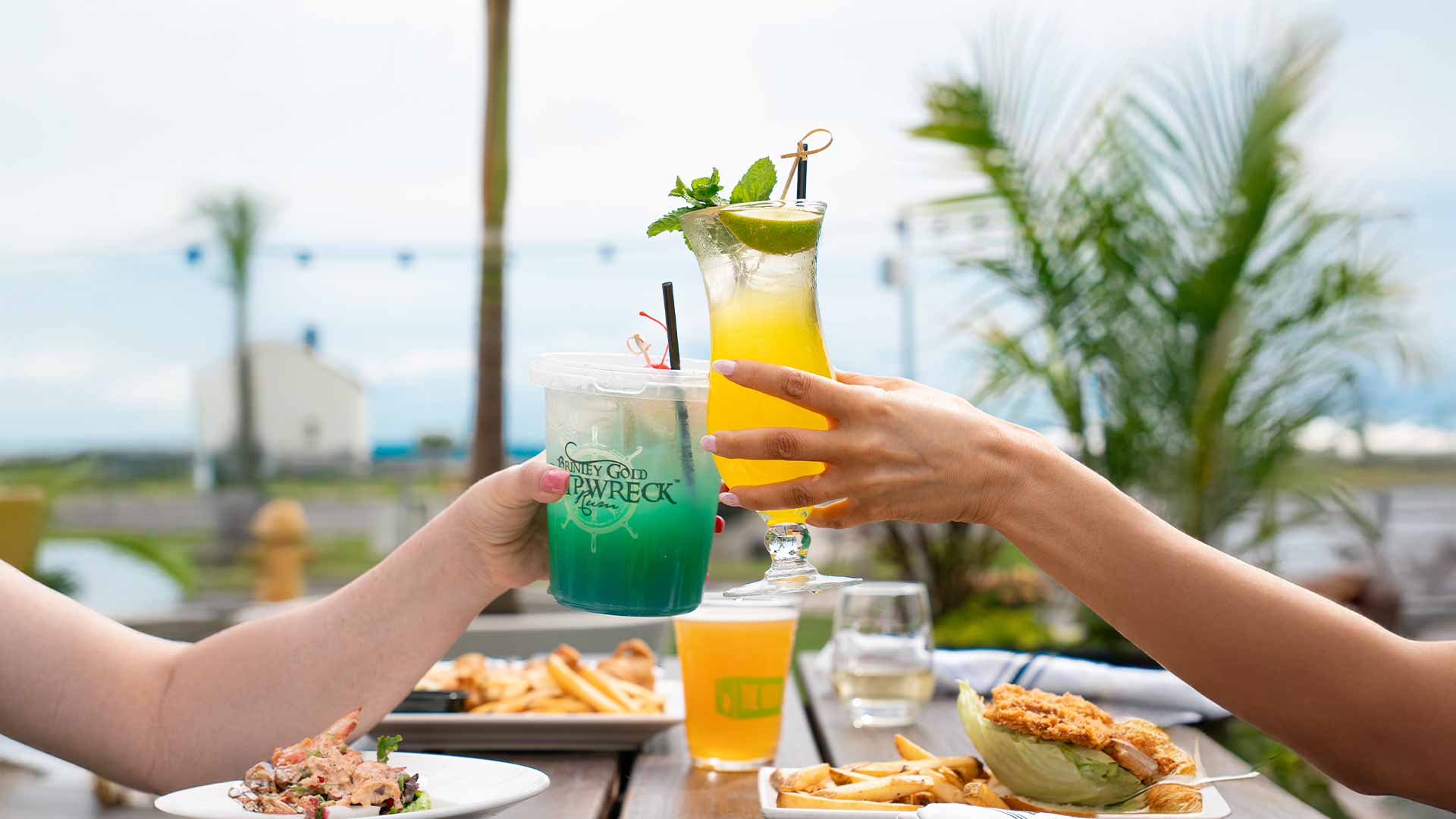
Mule Barn Tavern had everything a destination venue needs: a patio, beach views, events and a staff people loved. What it did not have was visibility.
Tucked into a remote stretch of Sandy Hook, the bar and event space relied on an outdated website with no real SEO and a thin social presence. For a remote location, being findable is the whole problem. If guests cannot find you, or picture the night ahead of time, they never make the drive.
Here is the six-step playbook that changed that, and how any New Jersey restaurant can apply it.
The Results in 90 Days
| Metric | Result |
|---|---|
| Organic calls | 1,758 |
| Organic views | 107K (+160%) |
| Total views | +477% |
| Accounts reached | +256% |
| Search ranking | Top three for the searches that matter |
| New audience | About 35% of social reach went to people not yet following |
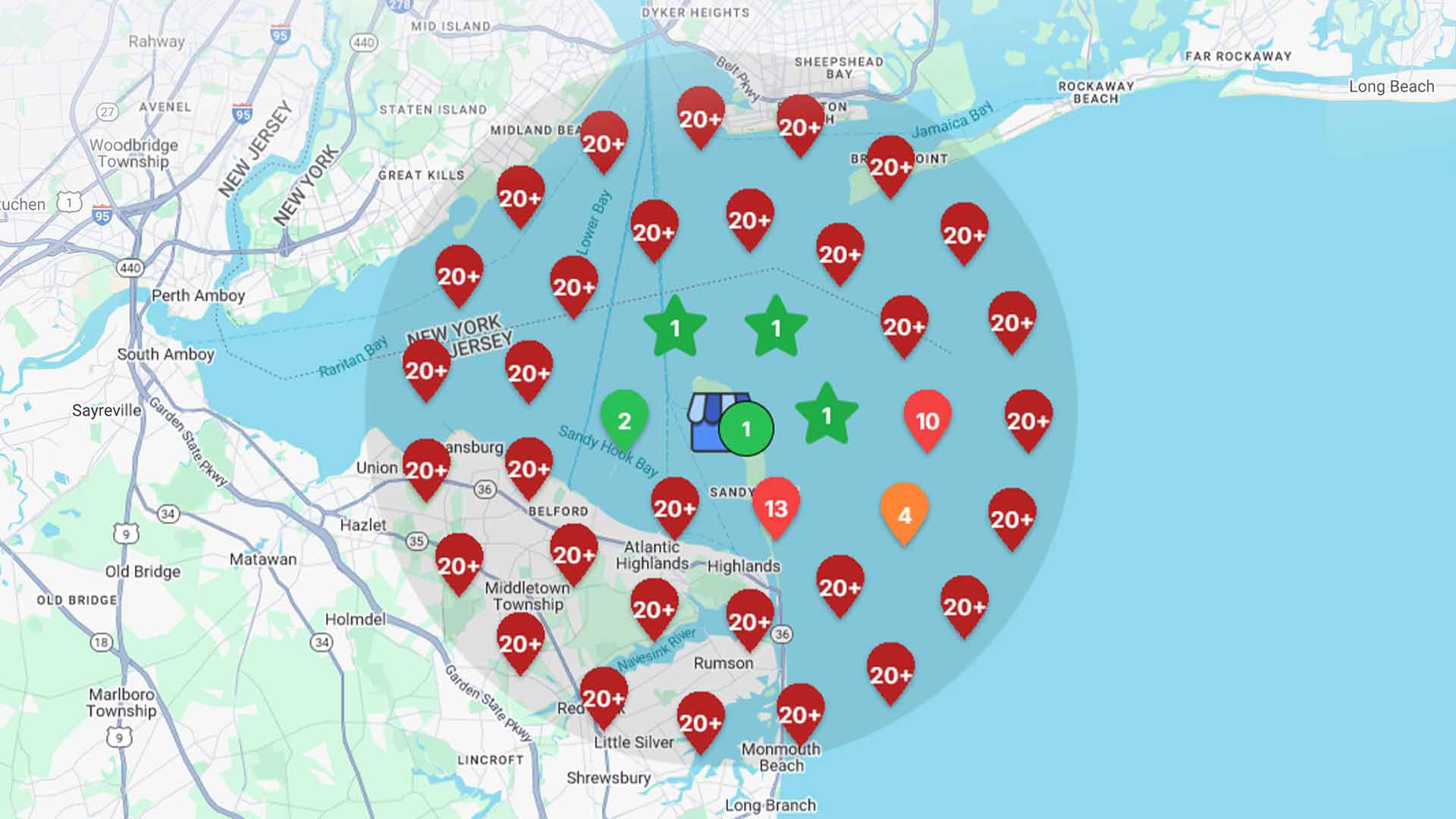
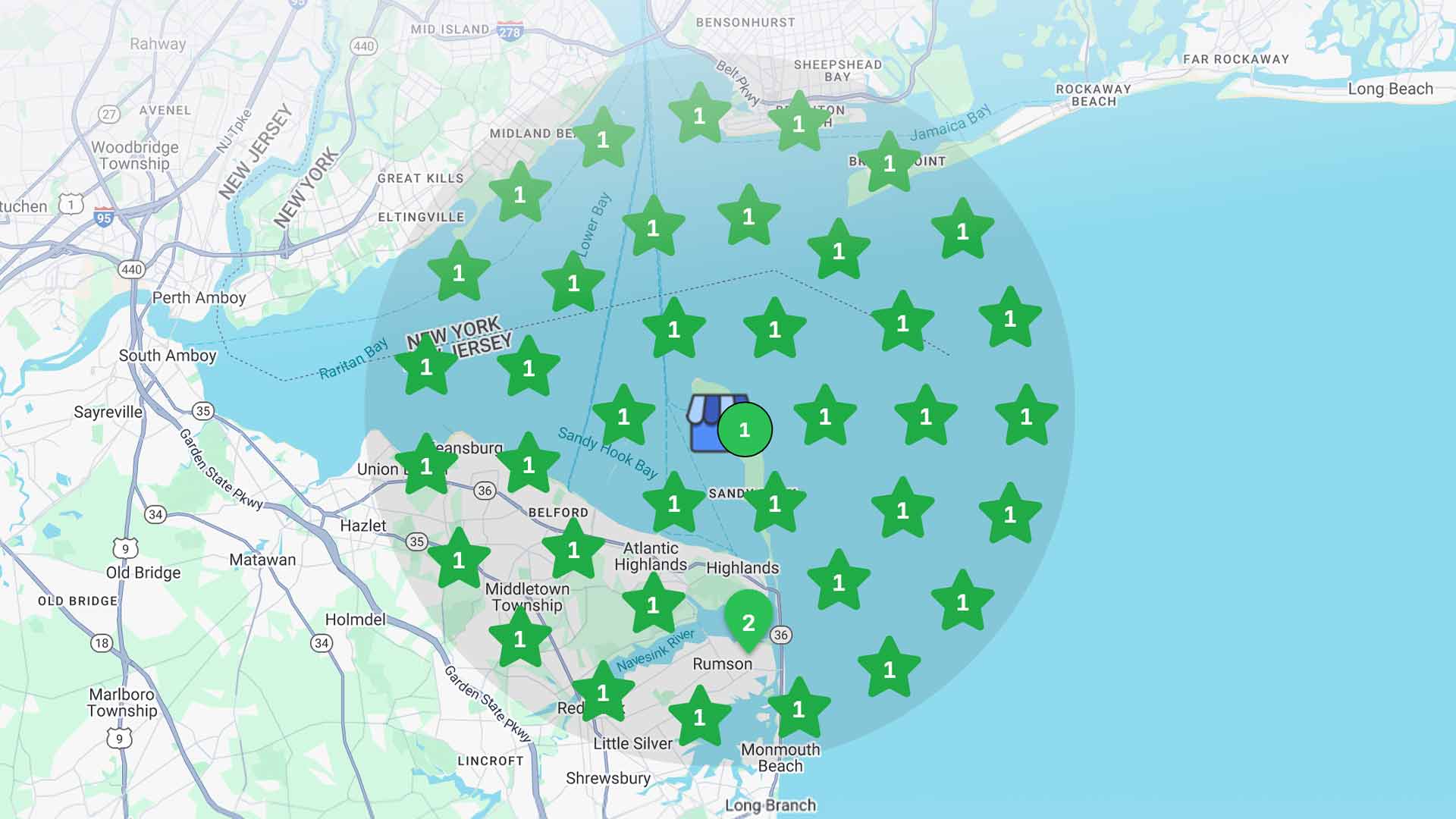
The full story is in the Mule Barn Tavern case study. Below is the method.
Step 1: Treat Findability as the First Problem
Most restaurant marketing starts with social posts. For Mule Barn, that would have been the wrong order. If a remote venue does not rank, nothing else matters.
What we did: Local SEO and keyword work came first, aimed at the searches diners actually make when deciding where to go: the type of venue, the experience and the area.
How to apply it: List the ten searches a new customer would type to find a place like yours, such as "waterfront bar near me", "outdoor dining Monmouth County" or "event venue Sandy Hook". Search each one. If you are not in the top three map results, that is where your work starts.
Step 2: Build the Google Business Profile Around the Experience
Your Google Business Profile is where a search becomes a visit. For restaurants, it often decides the choice before anyone reaches your website.
What we did: Targeted Google Business Profile work put the tavern in front of people in neighboring towns who would otherwise never have seen it.
How to apply it:
- Choose the most specific primary category, such as "Bar & grill" or "Seafood restaurant", and add secondary categories for what you also offer, such as "Event venue".
- Add your menu as text or through Google's menu feature, not only as a PDF, so individual dishes can match searches.
- Keep hours exact, including seasonal changes. Shore venues should update before Memorial Day and after Labor Day.
- Post weekly: specials, events, live music, seasonal menus.
Our Google Business SEO service covers this full setup for restaurants, bars and venues.
Step 3: Reach the Towns Your Diners Drive From
A destination venue does not live on searches from its own street. It lives on people willing to drive.
What we did: We targeted the neighboring towns where Mule Barn's guests would come from: Highlands, Long Branch, Rumson and Eatontown.
How to apply it: Map the towns within a 20 to 30 minute drive. Mention them naturally on your website (directions, "just minutes from" copy, event pages) and in your Google posts. Ask regulars where they drive in from, and you will often find a town you were not targeting.
Step 4: Show the Experience Instead of Describing It
Diners choose with their eyes. A phone photo of a plate does not sell a patio at sunset.
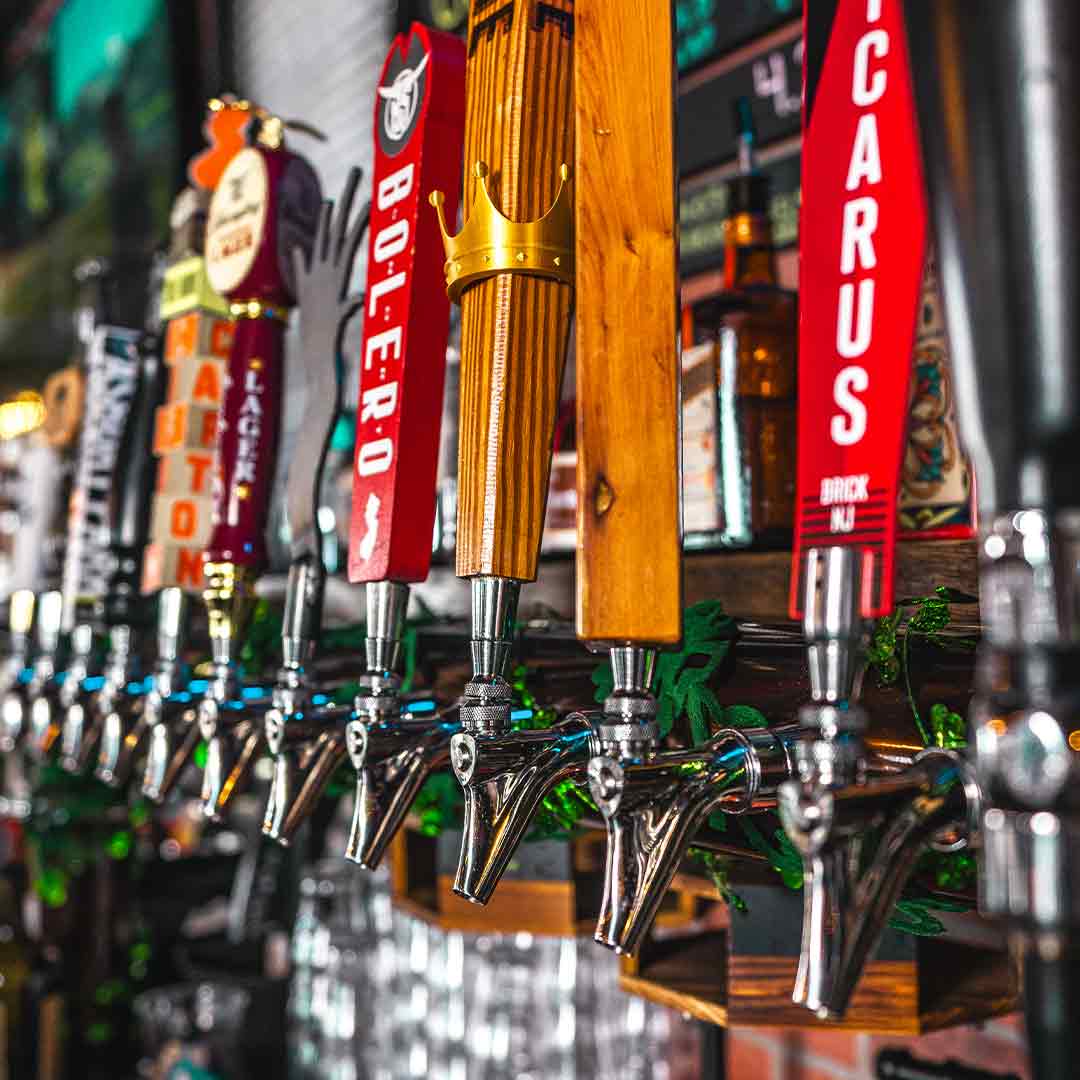
What we did: Our team photographed and filmed the patio, the beach views, the events, the food and the staff, then carried that content through a fully organic social media strategy. About 35% of the reach went to people who were not already following, which is how a remote venue reaches new guests.
How to apply it:
- Upload new photos to your Google Business Profile every month: dishes, drinks, the room and the view.
- Film short videos of the atmosphere: a full patio, a live event, the kitchen during service.
- Use the same content across your profile, website and social channels so every touchpoint shows the same place.
This is where professional video production earns its cost. It gives searchers a reason to choose you over the result above or below you.
Step 5: Rebuild the Website Around the Searches That Matter
Your website is where a curious searcher decides to book, call or visit.
What we did: Keyword-optimized content on the site took the tavern from ranking poorly to consistently placing in the top three. The redesign also showed the food, staff, space and event business properly for the first time, which improved the user experience and boosted reservations.
How to apply it:
- Give each part of your business its own page: dining, events, private parties and the menu.
- Put your name, address, phone and hours on every page, matching your Google profile exactly.
- Make the menu readable on a phone, as text rather than an image.
- Make calling, booking and getting directions one tap away.
Step 6: Make the Brand Consistent Everywhere
Inconsistent branding makes a restaurant look like several businesses at once.
What we did: A style guide, brand book and expanded color palette gave the tavern one voice and one look across the website, social channels, menus and promotional material.
How to apply it: Use the same logo, colors, photo style and tone everywhere a guest might meet you: your profile, website, menus, social posts and signage.
Beyond the Six Steps: Reviews and Listings
Two more pieces apply to every restaurant, remote or not.
Build a Steady Flow of Reviews
Review count, rating and recency all affect how a restaurant ranks and how diners choose.
- Put a QR code that links to your Google review page on table tents, receipts or the check presenter.
- Ask guests to mention what they ordered or the occasion. Reviews that name dishes and events help you appear for those searches.
- Reply to every review within a few days. For negative ones, acknowledge the issue and offer a way to resolve it offline.
- Never buy reviews or offer free items in exchange for them. Both break Google's policies.
Keep Every Listing Identical
Diners and search engines see your restaurant on Google, Yelp, TripAdvisor, Apple Maps, OpenTable and delivery apps. Your name, address, phone number and hours should be identical on all of them. If you changed your hours for the season or moved, update every listing, not just Google.
Common Local SEO Mistakes Restaurants Make
- Menu only as a PDF or image. Google cannot read individual dishes from it, so you miss searches for specific food.
- Winter hours in summer. Shore and seasonal venues lose visits when their profile shows the wrong hours.
- Stock or outdated photos. Diners notice, and they choose the restaurant whose photos look real and recent.
- A broad category. "Restaurant" competes with everyone. "Seafood restaurant" or "Bar & grill" competes for the right searches.
- Social content that never reaches search. Great photos and video should also go on your profile and website, not only on Instagram.
- No tracking. Without counting calls and direction requests, you cannot tell what is working.
How to Measure Restaurant Local SEO
Check these numbers every month in your Google Business Profile Performance section and website analytics:
| Metric | What it tells you |
|---|---|
| Calls from your profile | People ready to book, order or ask a question |
| Direction requests | People deciding to visit |
| Website clicks | Interest in your menu, events or booking |
| Searches that showed your profile | Which dishes, experiences and areas you are being found for |
| Reservations or orders from search | Revenue tied directly to local visibility |
Mule Barn's headline number, 1,758 organic calls in 90 days, came from exactly this kind of tracking.
What Moved Which Number
| Action | What it changed |
|---|---|
| Local SEO and website keyword work | Top-three rankings for key searches |
| Google Business Profile work targeting neighboring towns | Visibility to diners in Highlands, Long Branch, Rumson and Eatontown |
| Professional photo and video on social | +477% total views and about 35% of reach to new audiences |
| All of the above working together | 1,758 organic calls in 90 days |
The Restaurant Local SEO Scorecard
Score your restaurant with one point for each "yes".
| Question | Yes / No |
|---|---|
| Do you appear in the top three map results for your main search? | |
| Is your primary Google category the most specific one available? | |
| Is your menu on your profile and website as readable text? | |
| Have you added new photos or video to your profile this month? | |
| Have you received new reviews this month? | |
| Have you replied to every review? | |
| Are your seasonal and holiday hours set? | |
| Do your website and profile show the same name, address, phone and hours? | |
| Does your website have separate pages for dining, events and private parties? | |
| Do you know how many calls and direction requests you got last month? |
8 to 10: strong foundation; focus on content and reviews. 5 to 7: you are losing diners to better-built profiles. Below 5: start with Steps 1 and 2.
It Works for Restaurants That Are Not Remote, Too
One Willow, a seafood raw bar, had worked with several agencies before MediaScher with mixed results. With the same mix of local SEO, Google Business Profile work and social content, it recorded 3,430 direction requests (+61.6%) and 1,364 calls (+36.9%) in a single month. One guest drove an hour and a half because of what they had seen on social. Read the One Willow case study.
Frequently Asked Questions
What is local SEO for restaurants?
It is the work of making a restaurant appear when nearby diners search on Google and Google Maps. It covers your Google Business Profile, your website, reviews, photos and consistent business details.
Is local SEO worth it for a restaurant?
For most restaurants, yes. Diners searching "near me" or for a type of food are ready to decide. Mule Barn's 1,758 organic calls in 90 days came from people who were already looking.
How long does restaurant SEO take to work?
Google Business Profile fixes can show results within weeks. Rankings and steady call growth usually build over two to three months. Mule Barn's results came within 90 days.
What matters most for ranking a restaurant on Google Maps?
A complete, accurate Google Business Profile with the right category, consistent business details, fresh photos and a steady flow of reviews. Distance from the searcher also matters, which is why reaching neighboring towns takes deliberate work.
Do I need professional photos for my Google profile?
You do not need them to rank, but they make a big difference to whether people choose you. Food and hospitality are visual decisions, and better photos and video turn views into visits.
Make Your Restaurant the One People Find
MediaScher started in hospitality, and restaurants are still home ground. See our full approach for restaurants, bars and venues, or find out where your marketing stands with the free Marketing Score.
Next Step
Put these ideas to work.
See where your marketing stands today, or talk it through with our team.